

Quality

- Quality
Specimen Atlas of research peptides.
28 plates of the molecules most often discussed in contemporary peptide therapeutics — each drawn from the public literature, foot-noted, and rendered with a per-class mineral pigment after the manner of Werner. No advice. No commerce. Only citations.
28+ Janoshik Reports Published
Supplier specs cover every product line we ship. Janoshik runs on rolling cycles (~2–3 weeks per report) against selected lots — each new report upgrades a class spec to measured third-party data.
A beginner's tour, twelve plates.
Twelve molecules to start with — three approved drugs, three healing-class specimens, two GH-axis, two mitochondrial-or- bioregulator, and a pair of modulatory short peptides. Plate numbers below are catalog positions, not tour positions.
Plate
Tesamorelin
GHRH Analogue

Synthetic 44-amino-acid GHRH analogue, FDA-approved (2010) for HIV-associated lipodystrophy. Distinguished from native GHRH by a trans-3-hexenoic-acid modification that extends plasma half-life from ~7 minutes to ~26 minutes. Stimulates pulsatile growth hormone release from the anterior pituitary, elevating IGF-1 and reducing visceral adipose tissue over 26 weeks in the Phase 3 approval trial.
| Plate: | 68 |
|---|---|
| Cited: | 38% |
| Refs: | 6 |
Methodology
How a plate is composed.
Step 01
Schema-validated YAML
Every peptide is one structured document. Build fails if a claim lacks a citation array — even an empty one. The shape is enforced at compile time by Zod.
Step 02
Citations resolve to a registry
PubMed IDs, DOIs, and ClinicalTrials.gov NCTs are stored once in refs.yaml. Every cite ID in a plate must resolve, or the build is rejected.
Step 03
Build-time parity audit
A second pass walks every claim and verifies it is counted in the trust metric. Smuggling an uncited claim past the audit fails the build.
Step 04
Specimen motifs are deterministic
Each plate’s SVG fingerprint is derived from its slug — the same peptide produces the same motif across every page, every time.
Editor's note
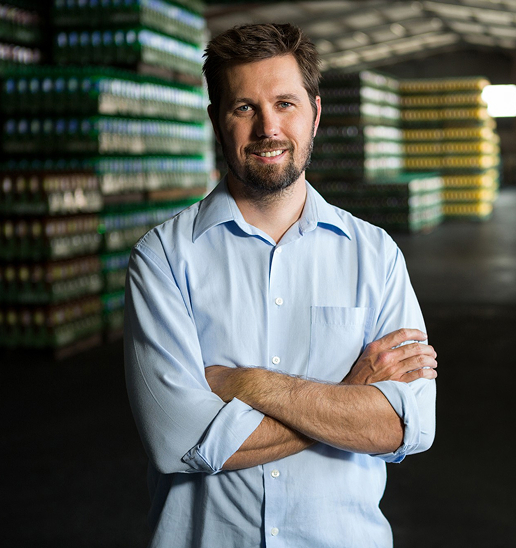
Cristian C. — Founder & Director
“Peptide reference material online tends to fall into two categories: promotional content or unverified claims from anonymous forums. This atlas is built differently. Whenever evidence is available, every claim is tied directly to a paper accessible through PubMed. The research itself serves as the foundation for the reference.”
Our 98%+ commitment
If a Janoshik report on a published lot returns below 98% purity, contact us with your batch number — we investigate against the lot’s published report and replace any unit that fails it, at no cost to you. Our published reports run higher — see the Janoshik wall on /coa.